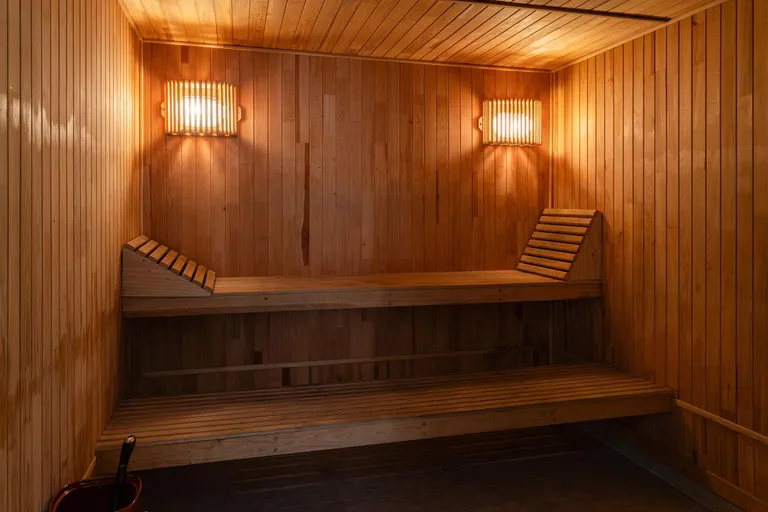
Infrared saunas often get lumped in with wellness trends that promise more than they deliver, but the basic mechanism is simple and well understood: instead of heating the air around you like a traditional sauna, infrared panels heat your body directly. That means a lower ambient temperature — often 120-140°F instead of 150-190°F — with heat that penetrates closer to muscles and joints rather than staying on the skin's surface. It's a small distinction with a real practical effect on how the session actually feels and who can comfortably use it.
That difference matters for two reasons. First, it's more tolerable: many people who find traditional saunas stifling can sit comfortably in an infrared session for longer, which is part of why the format has become popular for recovery and relaxation. Second, the deeper, gentler heat tends to be more useful therapeutically — improving circulation, easing muscle soreness, and taking the edge off chronic aches like arthritis or general stiffness.
There's a mental health angle too. Heat and stillness are a reliable combination for winding down a stressed nervous system, and many patients use an evening sauna session to unwind during Wisconsin's long, dark winter stretch, often reporting better sleep afterward as a result.
We offer infrared sauna therapy at Revive Chiropractic, often paired with adjustments — warm, relaxed muscles tend to respond better to treatment, and the combination can extend how long relief lasts. It's a small addition to a visit that makes a noticeable difference by the time you're back out in the cold. If winter stiffness has you feeling locked up, book a sauna session or a visit and give it a try.
About the Author
Dr. Madison Reiber, DC
Licensed chiropractor serving Fitchburg and Madison, WI. Specializing in ProAdjuster360, Flexion/Distraction, and Graston Myofascial Release.
Book an Appointment